
By Shervin Dehmoubed
•
Updated August 27, 2026

Are you looking for better ways to ship fragile items like mugs, glassware, or ceramics without relying on bubble wrap or foam? Protecting breakable products takes more than a sturdy box. They need packaging that cushions, separates, and safeguards at every stage of shipping.
The good news is that protective packaging does not have to be plastic heavy or wasteful. Today's consumers expect sustainable solutions, and paper based alternatives now provide the same level of safety while being recyclable and eco friendly.
This guide explores how to package fragile items effectively and responsibly, highlighting recyclable solutions that keep products intact and customers happy.
Key Takeaways
- Fragile items face four main risks in transit: impact damage, collision damage, surface damage, and moisture sensitivity.
- Layering tissue paper, honeycomb kraft paper, and corrugated inserts protects as well as bubble wrap and foam without the plastic waste.
- Honeycomb kraft paper is widely accepted in curbside paper recycling programs, compostable where composting facilities are available, and plastic-free.
- Overpacking is a common mistake: too many layers can add pressure on fragile items rather than protect them.
- Corrugated inserts, honeycomb kraft, and paper void fill are all recyclable in curbside streams and made from renewable materials.
Understanding Fragile Packaging Needs
Fragile products are vulnerable for several reasons:

Impact Damage
Drops during shipping or rough handling can shatter delicate items.

Collision Damage
Without separation, mugs and glasses knock together, leading to chips and cracks.

Surface Damage
Even if an item does not break, scratches on glass or ceramic glazes affect customer perception.

Moisture Sensitivity
Some ceramics and papers absorb moisture, which weakens packaging integrity.
Traditional plastic solutions like bubble wrap or foam peanuts provide cushioning, but they are problematic. They are not recyclable through curbside programs, they create microplastics, and they often outlive the product they were meant to protect.
The good news is that a range of paper based alternatives now provide the same protective performance while supporting recyclability and reducing waste. See Our Protective Packaging →
Protective Options for Fragile Items
When it comes to protecting fragile products, not all packaging is created equal. The most effective solutions combine strength, cushioning, and presentation while staying aligned with sustainability goals. Below are three paper based options that work together to safeguard items like mugs, glassware, and ceramics during shipping.
Corrugated Inserts
Corrugated inserts are one of the most reliable ways to secure fragile items. They create compartments that lock products into place, eliminating movement inside the box. A set of coffee mugs, for example, can be separated into snug slots so that even if the box is shaken, the items never touch.
Benefits: Durable, custom fit, made from renewable paper fibers, and fully recyclable.
Best For: Multi piece shipments where items need separation, like sets of mugs, stemware, or ceramic plates.
Honeycomb Kraft Paper
Honeycomb kraft is often called the sustainable alternative to bubble wrap. It is a kraft paper that expands into a 3D honeycomb structure, wrapping around objects to absorb shocks and impacts. Unlike bubble wrap, it does not require tape to hold its shape. The paper locks into itself, reducing waste and saving packing time.
Benefits: Widely accepted in curbside paper recycling programs, compostable where composting facilities are available, and plastic-free. Provides strong cushioning without the bulk of foam.
Best For: Wrapping irregular shapes like a ceramic vase, shipping single mugs, or adding protective padding around boxed sets.
Tissue Paper
While tissue paper does not absorb shocks, it prevents surface level damage and elevates the unboxing experience. A layer of tissue around a wine glass prevents scratches, fills small voids in a box, and creates a polished presentation when the customer opens their package.
Benefits: Lightweight, recyclable, and customizable with colors or branding.
Best For: Scratch sensitive items like glassware, or as the first layer of wrapping before adding honeycomb kraft.
Not sure which combination is right for your products?
Talk to our team about protective packaging built for your fragile items.
Layering Protection: Best Practices
No single material solves every challenge, which is why layered protection works best for fragile items. Here is a proven approach:
Primary Wrap
Start with tissue paper to protect surfaces from scuffs and scratches.
Cushioning Layer
Add honeycomb kraft for shock absorption, wrapping snugly around each item.
Stabilization
Place wrapped products into corrugated inserts to keep them locked in place.
Outer Box
Choose a sturdy corrugated shipper. For delicate or high value items, double box with recyclable void fill between layers.
Pro Tip
Do not overpack. Excessive materials may feel protective but can actually increase pressure on fragile products. Smart layering with the right materials is more effective.
Common Mistakes to Avoid
Even with the right materials, fragile packaging can fall short if a few key details are overlooked. Here are the most common mistakes brands make:
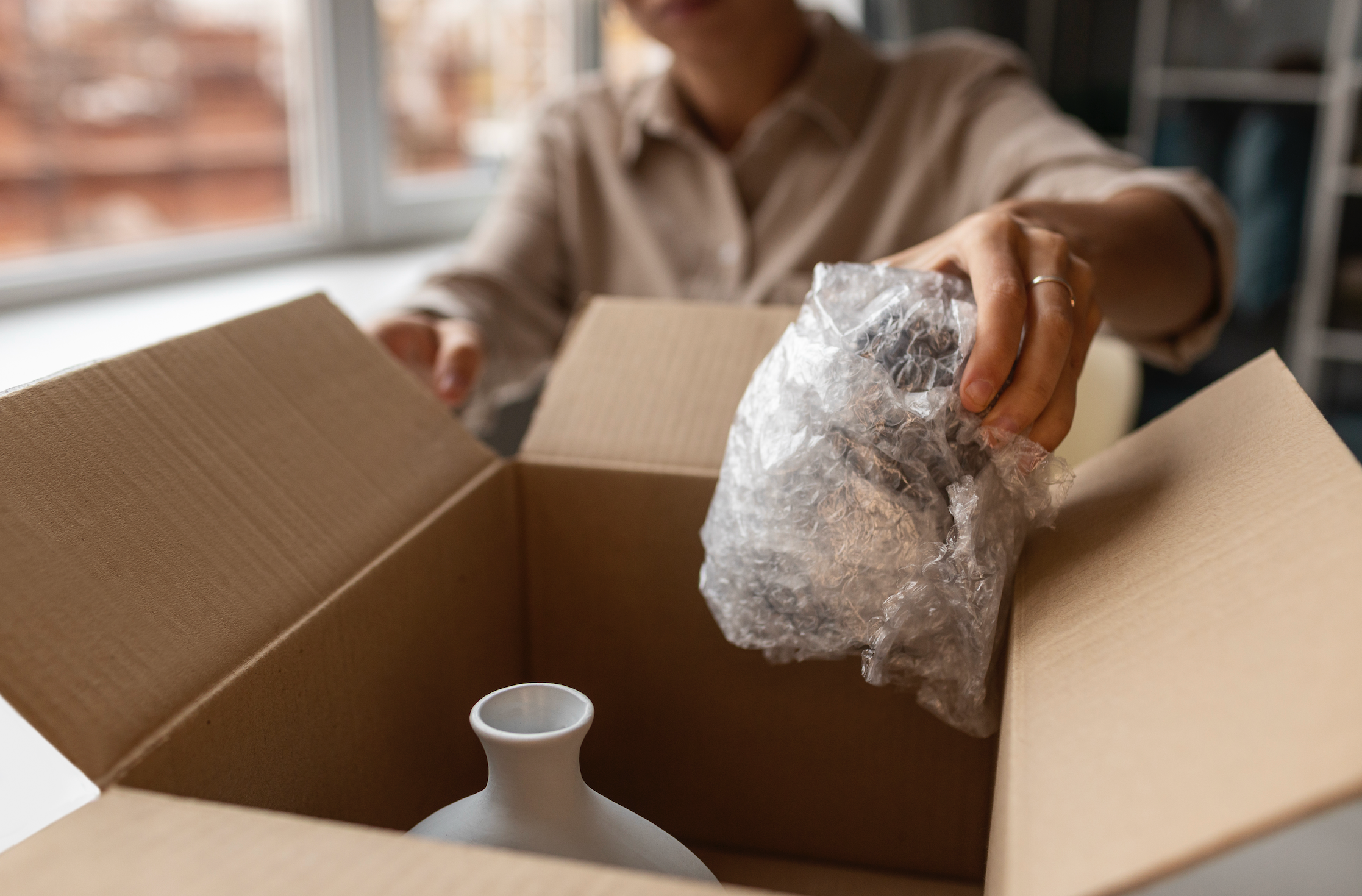
Relying on Plastic Bubble Wrap: It may feel safe, but bubble wrap is bulky, non recyclable, and increasingly frowned upon by eco conscious customers. Switching to honeycomb kraft provides equal or better protection without the plastic waste.
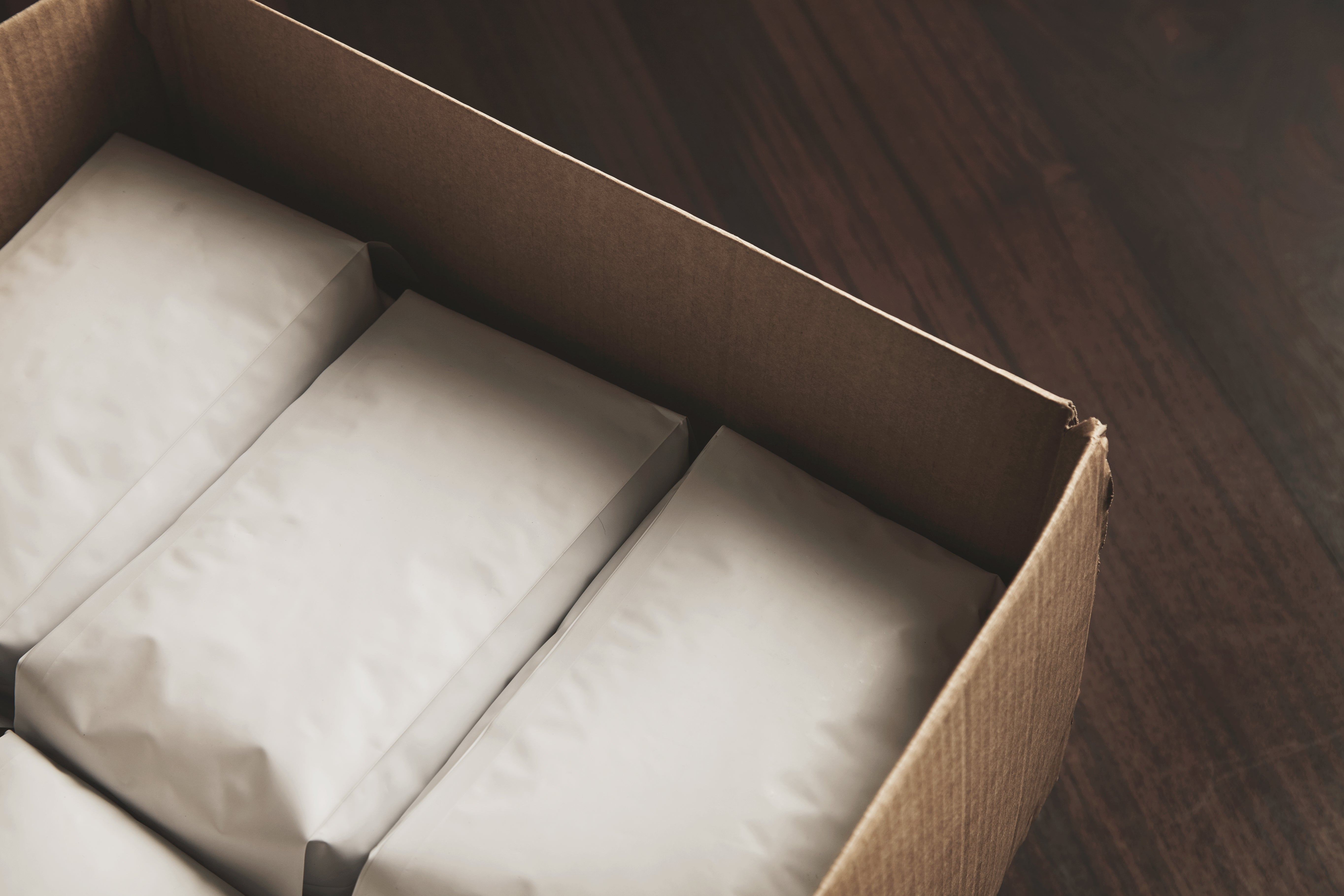
Leaving Empty Space in the Box: If there is room for products to shift, there is room for damage. Always fill voids with recyclable tissue or kraft paper to keep items snug.
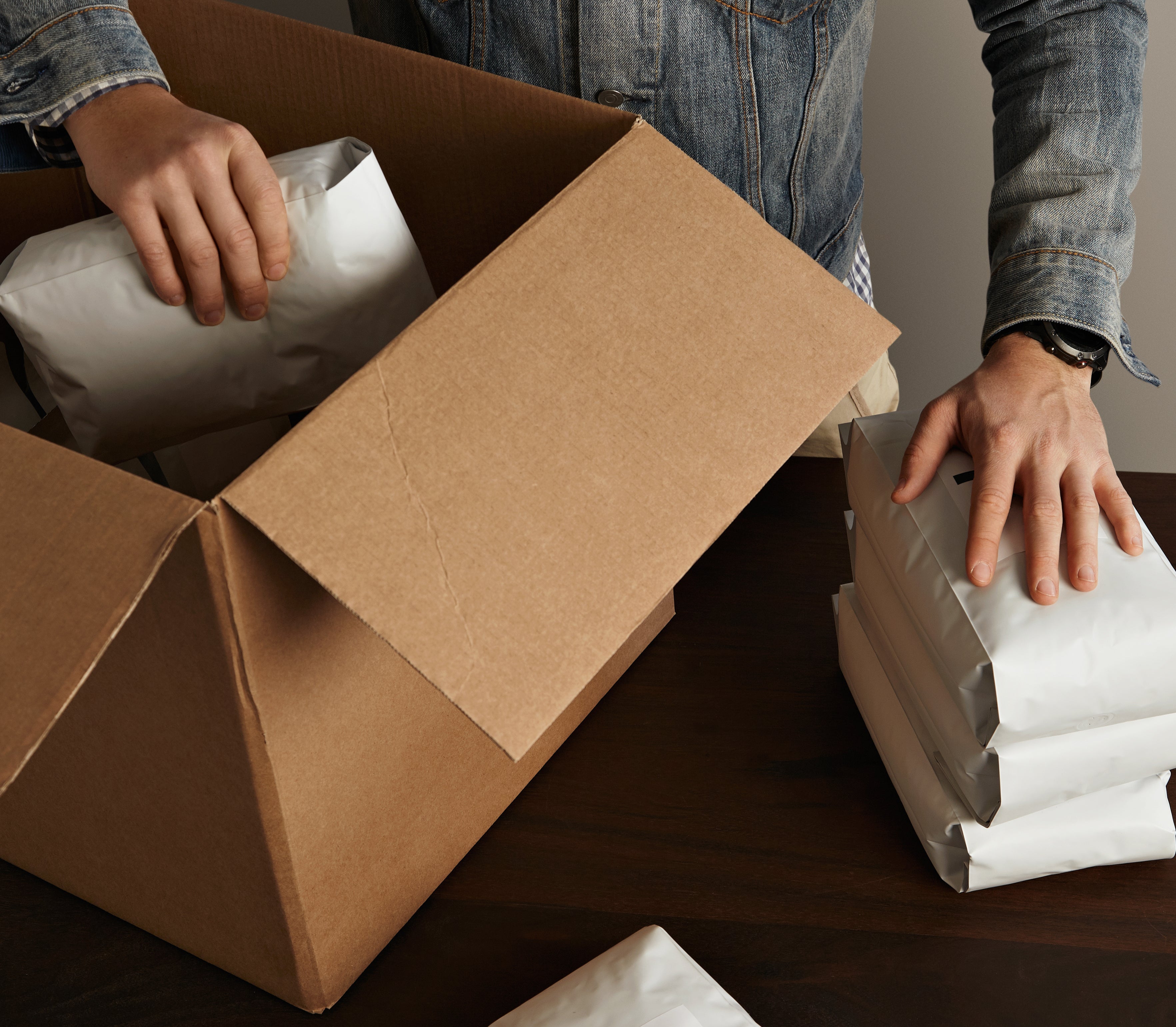
Ignoring Branding in Protective Layers: Protective packaging does not need to look plain. Custom printed tissue or branded inserts add value to the unboxing experience while still keeping sustainability front and center.
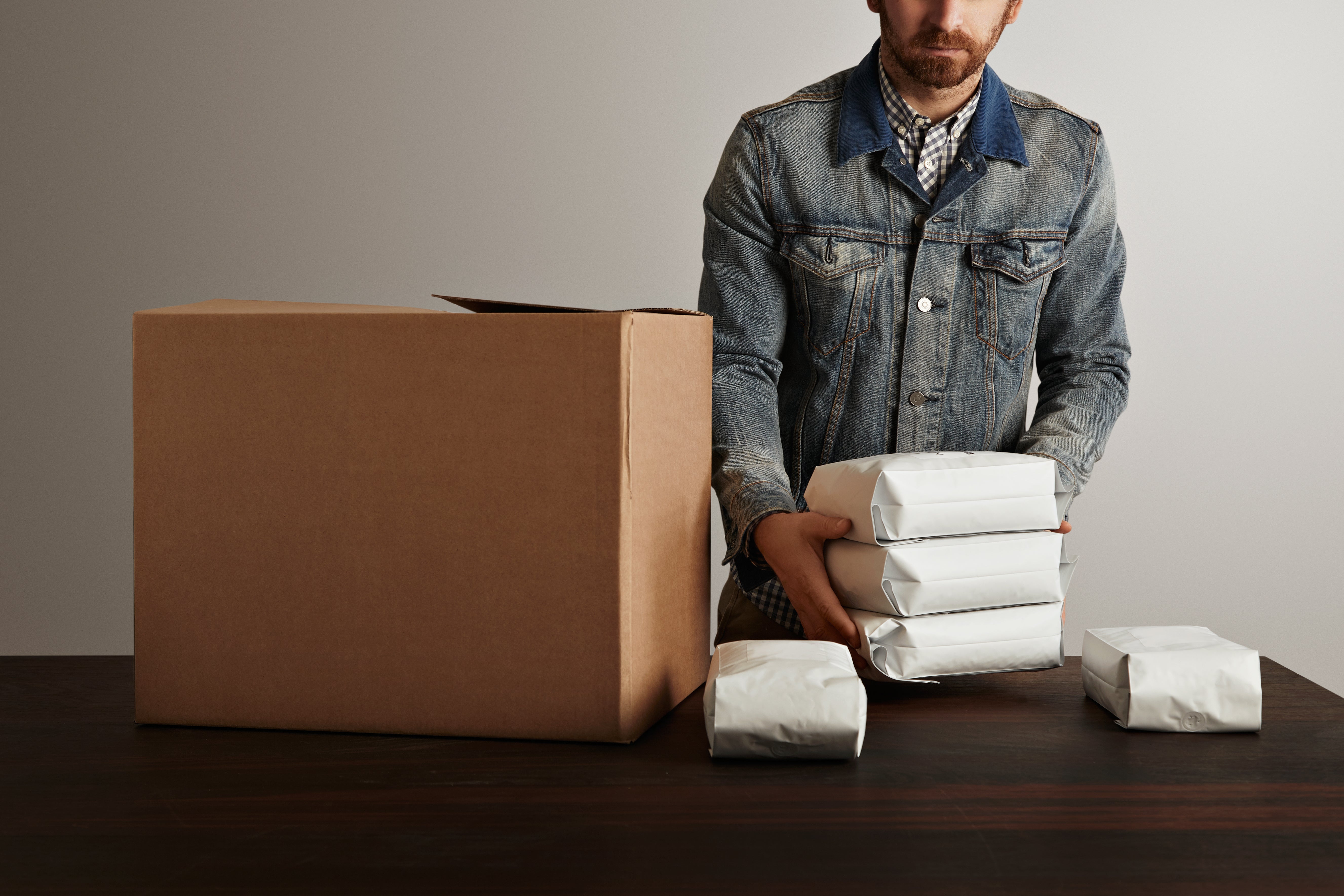
Overpacking: More material does not always equal more protection. Using too many layers can put unnecessary pressure on fragile products and lead to breakage. Smart, strategic layering is the key.
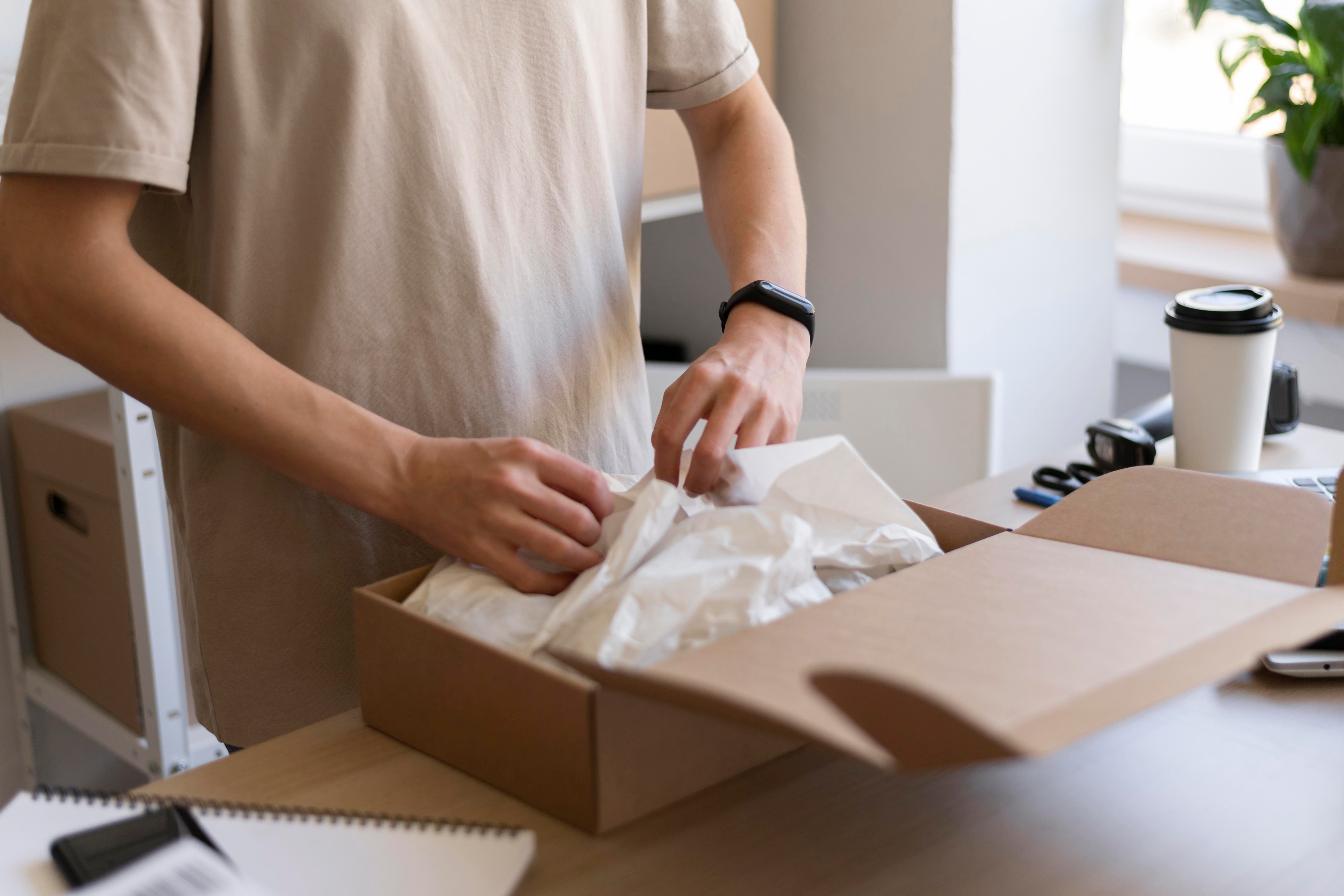
Forgetting About End of Life: Protective packaging that cannot be recycled or composted leaves customers with waste. Choosing materials like corrugated inserts and paper void fill ensures an easy, guilt free disposal process.
Sustainability at the Core
Corrugated inserts, honeycomb kraft, and void fill all share a common advantage: they are recyclable in curbside streams, made from renewable materials, and plastic free. Many of these options are compostable as well, making them easy for customers to dispose of responsibly.
Offering this type of unboxing experience does more than protect products. It signals to customers that your brand is aligned with their values, which can strengthen loyalty and encourage repeat purchases.
Practical Use Cases
Here are a few real world examples of how these materials can be combined for maximum protection:
Glassware
Each glass gets a tissue layer for scratch protection, honeycomb kraft for padding, and a snug insert to keep stems and rims safe.
Ceramics
Plates or bowls can be layered with tissue and kraft wrap, then stacked securely in corrugated compartments.
Mugs
Wrap each mug in tissue to protect the glaze, add honeycomb kraft for cushioning, and slot into corrugated inserts so they do not collide.
This approach ensures products arrive safely while minimizing material use and maximizing sustainability.
Frequently Asked Questions
What is the best eco-friendly packaging for shipping fragile items?
The most effective approach layers three paper-based materials: tissue paper against the item to prevent surface scratches, honeycomb kraft paper wrapped around it for shock absorption, and a corrugated insert to hold everything in place inside the outer box. This layered method matches or exceeds the protection of bubble wrap and foam without the plastic waste.
Is bubble wrap recyclable?
Bubble wrap is made from LDPE plastic film, which is generally not accepted in curbside recycling programs. It's commonly accepted through store drop-off film-recycling programs at many grocery and retail locations, but because that access is inconsistent, paper-based alternatives like honeycomb kraft paper offer a simpler end-of-life option for most shippers.
What is honeycomb kraft paper and is it recyclable?
Honeycomb kraft paper is a kraft paper that expands into a 3D honeycomb structure, wrapping around fragile items to absorb shocks and impacts without tape. It's widely accepted in curbside paper recycling programs, compostable where composting facilities are available, and plastic-free, making it a popular sustainable alternative to bubble wrap.
How do you package glassware or ceramics for shipping?
Wrap each piece in tissue paper to protect the surface and glaze, add a layer of honeycomb kraft paper around it for cushioning, and place the wrapped item into a corrugated insert sized to keep it from shifting. For high-value or especially delicate pieces, double boxing with void fill between the inner and outer box adds an extra layer of protection.
How much packaging material is too much for fragile items?
More material is not always better. Overpacking can put uneven pressure on fragile products and increase the risk of breakage rather than prevent it. Smart, strategic layering with the right materials in the right order protects items more effectively than simply adding volume.
Final Thoughts
Fragile packaging does not have to come at the expense of the environment. By using corrugated inserts, honeycomb kraft, and tissue paper, businesses can keep mugs, glassware, and ceramics safe while delivering an eco friendly packaging experience that customers appreciate.
Ready to protect your fragile products the sustainable way? Explore EcoPackables' full range of protective packaging solutions or reach out to our team for tailored recommendations.